Pricing guide · 8 min read
Website development cost in Chennai: what to budget in 2027
Price ranges by type of website, what actually pushes a quote up, the yearly running costs, and a simple way to compare three quotes that look nothing alike.
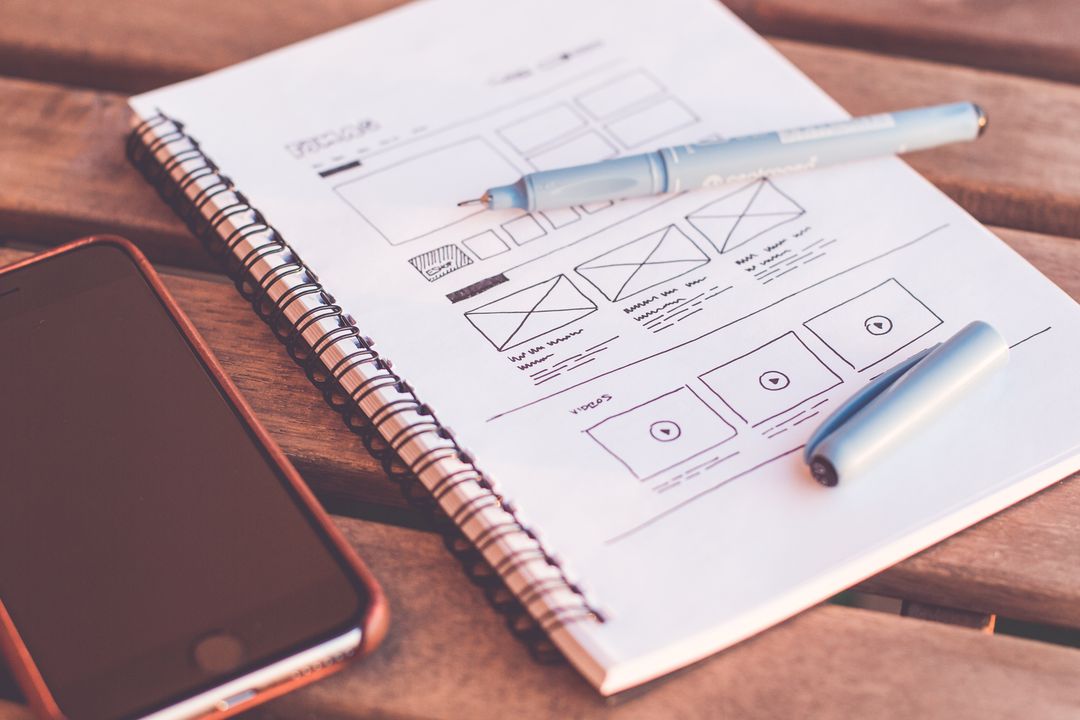
Ask three Chennai agencies to quote for “a website” and you can easily get back ₹18,000, ₹1.4 lakh and ₹5 lakh. Nobody has to be lying for that to happen. They are quoting for three different websites, because the brief left room for three different readings of what you want.
This guide is our attempt to close that gap before you start collecting quotes. It is written for business owners planning a new site, or a rebuild, in 2027. The numbers come from the way we price our own projects and from the competing quotes clients bring to us for a second opinion.
The short answer
For a professionally built site from an established Chennai freelancer, agency or studio, these are sensible budgets for 2027. They are before GST, which is charged at 18% on design and development.
| What you are building | Typical budget | Typical timeline |
|---|---|---|
| Starter site: 1 to 5 pages on a good template | ₹15,000 – ₹40,000 | 1–2 weeks |
| Business website: 5 to 15 pages, custom design, editable CMS | ₹60,000 – ₹2,00,000 | 3–6 weeks |
| Corporate or multilingual site with case studies, careers, blog | ₹2,00,000 – ₹6,00,000 | 6–12 weeks |
| Online store (WooCommerce or Shopify) | ₹1,00,000 – ₹5,00,000 | 4–10 weeks |
| Web application or customer portal | ₹4,00,000 – ₹25,00,000+ | 8–24 weeks |
If you only remember one thing: the price follows the number of different page layouts, features and hours of thinking, not the number of pages. A 40-page site built from three templates can cost less than a 10-page site where every page is designed from scratch.
Why two “10-page websites” can be ₹1 lakh apart
Picture the same brief going to two teams. One hears “10 pages” and installs a theme, drops in your logo and text, and sends you a link in ten days. The other asks who your customers are, what you want them to do on the site, which competitors they compare you with, and what your sales team is tired of explaining on the phone. Then they design around those answers.
Both are websites. Only one of them is likely to bring in enquiries. The first quote isn’t wrong, it simply leaves out work: planning, copywriting, custom design, SEO set-up, testing on real phones, and a proper handover. When you see a very low number, ask which of those it skips. There is almost always a list.
Where the money actually goes
Roughly speaking, this is how a ₹1.2 lakh business website breaks down when it is done properly. Your project will shift the proportions, but the categories rarely change.
| Stage | Share of the budget | What you get |
|---|---|---|
| Discovery and planning | About 10% | Goals, sitemap, page briefs, a fixed quote |
| Design | About 25% | Layouts for each page type on mobile and desktop |
| Development | About 35% | Templates, CMS, forms, integrations, analytics |
| Content and SEO set-up | About 15% | Copy editing, images, titles, schema, redirects |
| Testing, launch and training | About 15% | Device and speed checks, go-live, handover |
Content is the line people cut first and regret most. A beautiful site with thin, vague copy doesn’t rank and doesn’t convince anyone. If budget is tight, we would rather build fewer pages and write them well.
What pushes a quote up
Custom design
A template is quicker and cheaper, and for a starter site it’s often the sensible choice. You do share your look with thousands of other businesses, and you inherit whatever code the theme author wrote. Custom design costs more upfront but is built around your brand, your customers and your content.
Features that have to talk to other systems
Booking calendars, price calculators, customer logins, payment gateways, CRM connections and WhatsApp notifications each add design, build and testing time. Integrations are where estimates most often go wrong, so a careful team will ask to see the other system’s documentation before quoting.
More than one language
A Tamil and English site is not “the same site twice”. Tamil text runs longer, needs fonts that render properly on older Android phones and needs its own SEO set-up so each language can rank. Budget roughly 25 to 40% more for a properly bilingual site.
Who writes the words
If you hand over finished copy and photos, the cost drops. If the agency writes search-friendly copy, arranges photography and prepares images, the cost rises. So, usually, do the results.
Speed, accessibility and security standards
Passing Google’s Core Web Vitals on a mid-range phone, meeting accessibility guidelines and hardening the site against attacks all take deliberate work. They are worth paying for. Faster sites convert better and rank better.
Who builds it
Freelancers, small studios and large agencies charge differently because they include different amounts of process, review, testing and after-sales support. None of them is automatically the right choice. It depends on how much the site matters to your business.
The costs that start after launch
A website is not a one-time purchase, even if the quote makes it look like one. Plan for these every year:
| Item | Typical cost | Notes |
|---|---|---|
| Domain (.com or .in) | ₹500 – ₹1,500 a year | Register it in your company’s name, never the agency’s |
| Hosting | ₹3,000 – ₹30,000+ a year | Shared hosting at the low end, managed or cloud hosting for busier sites |
| SSL certificate | Usually free | Most decent hosts include one |
| Premium plugins or themes | ₹0 – ₹25,000 a year | Only if your site uses paid WordPress extensions |
| Maintenance plan | ₹2,000 – ₹25,000 a month | Updates, backups, monitoring and small edits |
We have written a separate, more detailed guide to website maintenance costs in India if you want to know what a fair plan includes.
What changes when you budget for 2027
A few things are different from even two years ago, and they are worth building into the brief rather than paying to add later.
- Google answers simple questions itself. AI Overviews and AI Mode are live in India, so people often get basic answers without clicking. The pages that still win clicks are the ones that help someone decide: clear service pages, honest pricing, proof of work. Put your budget there.
- India’s data protection rules bite from May 2027. If your site collects names, numbers or email addresses, the DPDP Rules require proper notices and consent. It is cheaper to design forms correctly now. Our DPDP checklist for websites and apps explains what that means in practice.
- Accessibility is no longer a nice extra. The Supreme Court’s 2025 ruling in Amar Jain v. Union of India treated digital access as part of the right to life. Private businesses aren’t being chased over it yet, but building accessibly from day one costs a fraction of retrofitting.
- AI tools have made simple sites cheaper to produce. They haven’t made planning, good writing or judgement any cheaper. Be wary of a quote that looks low because the thinking has been skipped.
How to compare three quotes that look nothing alike
Send every agency the same one-page brief: what the site must achieve, the pages you expect, three sites you like and why, the features you need, whether you will provide copy and photos, your deadline and a rough budget. Then line the replies up against these questions.
- How many unique page designs are included, and for which screen sizes?
- Who writes and edits the content?
- Which SEO tasks are included: titles, descriptions, schema, sitemap, redirects from the old site?
- How many rounds of design revisions, and what happens after that?
- Will the domain, hosting and code be in your name?
- What does the warranty cover after launch, and for how long?
- What are the yearly costs once the site is live?
If a quote can’t answer most of these in writing, it isn’t really a quote yet. For a broader checklist on choosing who builds it, read how to choose a software development company in Chennai.
Red flags in a cheap quote
- The domain or hosting will be registered to the agency.
- No mention of redirects when you are replacing an existing site. This is one of the most common ways businesses lose their Google rankings.
- “Nulled” (pirated) premium themes or plugins. They frequently hide malware.
- 100% payment upfront and no written scope.
- “Unlimited revisions”, which usually means an unlimited timeline.
How we price websites at Razegreen
We start with a free call, then send an itemised, fixed-price proposal split into milestones: discovery, design, build and launch. You pay as each milestone is approved. The domain, hosting and code are set up in your name, every launch comes with a 30-day warranty, and ongoing care is optional rather than tied in. If you want to see what that looks like for your project, have a look at our website development services in Chennai or send us a brief.